Chinchillas Die From Heat Before They Die From Anything Else
I'll start with the number that matters most: 75°F. That's roughly the ceiling for a chinchilla's comfort zone, and past 80°F you're in genuine emergency territory. These animals evolved in the Andes at altitudes above 12,000 feet, where it's cold and dry year-round. They have the densest fur of any land mammal — up to 80 hairs growing from a single follicle — and that coat, which makes them so irresistible to touch, also makes them nearly incapable of shedding heat. A chinchilla cannot pant effectively and it cannot sweat. It just cooks.
Every summer, exotic vets see the same wave of heatstroke cases, and most of them didn't happen because someone was careless. They happened because a heat wave pushed a room from 72°F to 84°F while the owner was at work. So before you buy a cage, before you pick a name, ask yourself honestly: can you keep one room of your house between 60°F and 70°F every single day of the year? If the answer is no — or 'probably, unless something breaks' — you need an air conditioner you trust as a backup plan, not a hope.
I've seen this go wrong twice with people I know personally. One chin survived a heat spike with permanent kidney damage. The other didn't survive at all. Neither owner was neglectful; both just underestimated how little margin these animals have. That's the theme of chinchilla care in general: small animal, small margins, big consequences.
Why Chinchillas Live 15 to 20 Years — and Why That Changes the Math
Most people walk into chinchilla ownership thinking 'rodent, so maybe three years like a hamster.' Wrong. A well-kept chinchilla routinely lives 15 years, and 20-year-olds are documented. You are not signing up for a starter pet. You are signing up for a creature that may outlive your car, two apartments, and possibly a relationship. According to the ASPCA, prospective owners of any small pet should evaluate the full lifespan commitment before bringing the animal home, and chinchillas are arguably the most extreme example of that principle in the entire small-pet category.
That long lifespan also means health problems accumulate. Dental disease, ringworm, fur chewing, and dental spurs show up gradually over years, not weeks. You'll want an exotic veterinarian identified before you need one — not every clinic sees chinchillas, and the ones that do often book out weeks in advance. Find that clinic now, while your chin is healthy, and ask what an emergency visit costs. It's usually between $150 and $600 depending on where you live, and that's before treatment.
Cage Size: Bigger Than You Think, Taller Than You Expect
Chinchillas jump. Not scurry — jump. A healthy adult can launch itself three feet straight up, and in the wild they ricochet between rock ledges. A cage that works for a guinea pig is a shoebox to a chin. My baseline recommendation for one animal is a multi-level wire cage at least 30 inches wide, 24 inches deep, and 36 inches tall, and honestly, taller is better than wider if you have to choose. Wire spacing should be no more than half an inch on any side, because juveniles can squeeze through gaps that look impossible.
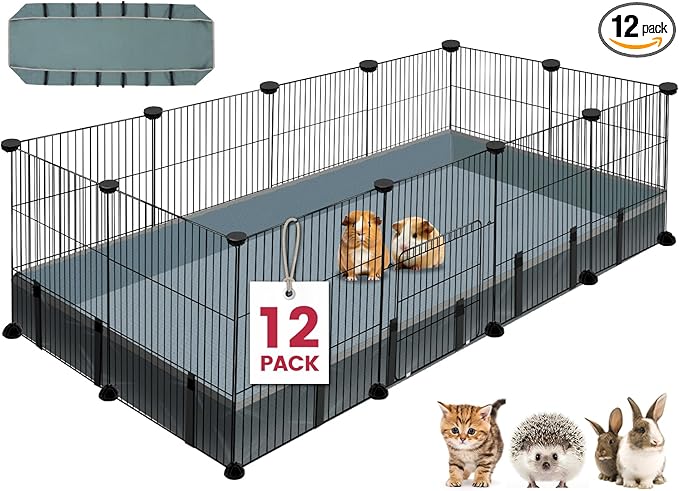
Here's the detail new owners miss: the shelving material. Plastic shelves and plastic ramps are a medical problem waiting to happen. Chinchillas chew everything, and ingested plastic can cause intestinal blockages that require surgery — expensive surgery, with a guarded prognosis. You want metal shelves, kiln-dried pine, or solid metal pans. The same logic applies to accessories: wooden hides made from safe woods (pine, kiln-dried), no plastic igloos, no painted decorations.
Flooring deserves a sentence too. Wire floors damage feet and cause a condition called bumblefoot. Cover the bottom with a solid pan and use aspen shavings or fleece liners. Never cedar — the aromatic oils are toxic to small mammals over time — and be skeptical of pine shavings that aren't kiln-dried for the same reason. If you want a shortcut, a well-reviewed multi-level habitat like the Prevue Pet Products multi-level small animal cage gets you most of the way there with appropriate bar spacing and solid surfaces you can modify.
The Dust Bath: Not Optional, Not Daily, Not Negotiable
Chinchillas never get wet. Let me say that plainly: do not bathe your chinchilla in water. Water matting into that ultra-dense fur creates a mold and fungal problem you cannot fix at home, and it can chill the animal severely. Instead, chinchillas bathe in volcanic dust — fine pumice-like powder that penetrates the coat, absorbs oils, and loosens debris. This isn't a cute quirk; it's how their skin and fur stay healthy. Skip dust baths for a month and you'll notice greasy, matted fur and possibly fur-chewing behavior from skin irritation.
The correct schedule is two to four times per week, 10 to 15 minutes per session. Not daily, and not free access. I know the temptation — dust bathing is hilarious to watch, the full-body flip, the cloud of dust — but permanent access leads to over-bathing, which dries the skin out and causes its own itching and flaking. Offer the bath, let the chin go wild for a quarter hour, then remove the container.
Two product notes from experience. First, get a durable enclosed dust house rather than an open dish, or you'll be vacuuming blue-gray powder off everything you own. Second, use genuine chinchilla dust rather than sand — the particle size matters for reaching the skin. Something like the Kaytee chinchilla dust bath product line is what most breeders use, and a small container lasts months because you can reuse the dust several times before it saturates (swap it out once it starts clumping or looks gray and heavy).
Diet Is Boring, and That's the Whole Point
A chinchilla's diet should be almost monotonous: high-quality grass hay, a small measured portion of plain pellets, and water. That's it. Hay should be available 24/7 — timothy hay is the standard, and the constant grinding action is what keeps those ever-growing teeth worn down. Chinchilla teeth never stop growing, and without abrasive fiber, the molars develop painful spurs that point into the tongue and cheeks. The first symptom owners usually notice is dropping food or preferring soft treats, and by then the animal has been uncomfortable for a while.
Pellets should be plain, hay-based, and portioned — roughly one to two tablespoons daily for an adult. Skip the mixes with dried fruit, seeds, nuts, and colorful bits. Those additions are the chinchilla equivalent of putting a candy bar in a lunchbox, and chins will absolutely pick out the junk and leave the healthy base. Their digestive systems are built for low-fat, high-fiber forage; treats high in sugar and fat contribute to fatty liver disease, bloating, and life-threatening GI slowdown.
Treats exist, but they're rationed strictly. A single rose hip, a small piece of dried herbs, or a teaspoon of rolled oats occasionally is fine. Raisins were the classic breeder treat for decades, but current exotic-vet consensus leans away from them — the sugar load is just too concentrated. If you want a safe everyday enrichment chew, dried apple sticks and untreated willow are popular, and commercially prepared options like the Kaytee apple orchard sticks give you safe wood without worrying about pesticides or species identification.
Chew Everything: The Habit That Saves Their Teeth
I mentioned teeth already, but this deserves its own section because dental disease is the number one chronic health problem in pet chinchillas. Beyond hay, give constant access to safe chew material — kiln-dried pine boards, pumice stones, lava bites, willow balls. A bored chinchilla with nothing to chew will turn to cage bars, shelves, and its own fur.
Check the safety of every wood you offer. Cedar is out. Cherry, plum, and other stone-fruit woods are out — the cyanogenic compounds are the issue. Safe list: kiln-dried pine, apple, willow, and poplar. If you harvest wood yourself, it must be from untreated trees, washed, and baked at a low temperature to kill anything living in it. Most people should just buy prepared chews; it's not worth the risk assessment for a branch from the backyard.
Room to Run: Exercise Outside the Cage
Cage life isn't enough, even in a big cage. Chinchillas benefit from supervised playtime in a chinchilla-proofed room — no exposed wires (they will strip insulation in minutes), no gaps behind appliances, no other pets loose at the same time. Start with 15 to 20 minutes and build up to 30 to 45 minutes daily. Do it in the evening: chinchillas are crepuscular-to-nocturnal, and their most active, sociable window runs roughly dusk to midnight.
A word on exercise wheels, because this is where I see the most injuries. Never use a wire-spoked wheel or a small wheel. Chinchillas need a solid-surface wheel at least 15 inches in diameter — smaller wheels force the spine into an arch, and spokes catch toes and tails. Flying saucer-style wheels in the chinchilla-appropriate size are also a solid option. The wheel is arguably the single most important cage accessory after water, so don't cheap out here.
Handling: Earn It, Don't Force It
Chinchillas are not cuddlers, and expecting one is the fastest route to disappointment. They're prey animals with a startling defense mechanism called fur slip — when grabbed, they release a patch of fur to escape, leaving you holding a tuft and the chin bald in one spot for weeks. It doesn't hurt them, but it teaches you real fast to stop grabbing.
The right way: scoop from below with both hands supporting the hindquarters, or better, let the chin hop onto your palm voluntarily. Sit on the floor during early handling sessions so a spooked jump doesn't become a four-foot fall onto hardwood. Broken legs from falls are common enough in practice that vets have a name for the typical injury pattern. Never hold by the tail base unless you've been shown how — some breeders do it, but done wrong it causes serious injury.
Given weeks of patience, most chinchillas become genuinely affectionate on their own terms: climbing onto shoulders, taking treats from fingers, hopping over for a scratch behind the ears. That earned trust is honestly more rewarding than a lap animal, but it takes a month or two of consistent, calm interaction.
Two Common Health Problems You Should Recognize Early
GI stasis is the emergency one. If your chinchilla stops eating, stops producing droppings, or sits hunched and lethargic, that's an immediate exotic-vet visit — not tomorrow, today. According to the American Veterinary Medical Association, small herbivores like rabbits and chinchillas can deteriorate within hours when the gut stops moving, so appetite changes are never a wait-and-see situation in these species.
Dental disease is the slow one. Watch for weight loss, drooling, wet chin, dropped food, or pawing at the mouth. A chinchilla that suddenly becomes picky about hay is telling you something. Annual exams with an exotic vet who can check cheek teeth are worth the money given how long these animals live and how treatable dental problems are when caught early.
Finding a Good Cage Setup Without Overspending
You can spend $400 on a chinchilla castle, but you don't have to. The priorities, in order: adequate vertical space, solid or wood shelving, appropriate bar spacing, and a wheel of correct size. Everything else — hides, chews, hammocks, lava ledges — is cheap and replaceable. Fleece liners are worth considering if your chinchilla isn't a dedicated chewer of fabric; some are, and for those, aspen bedding is the safer call since ingested fleece can cause blockages in determined chewers.
For water, glass bottles with stainless steel sipper tubes beat plastic ones — chinchillas chew through plastic bottles with embarrassing speed, and a drained bottle means a dehydrated animal you didn't notice. Check the sipper tube daily by tapping it; bottles clog silently, and a chinchilla that goes without water develops GI problems fast. A spare bottle in the cabinet costs ten dollars and has genuinely saved animals I've known.
Who Shouldn't Get a Chinchilla
Honesty time. Skip a chinchilla if: your home regularly exceeds 75°F and you won't run AC; you want a pet that sits in your lap; you have very young kids who want to hold the animal; you move apartments every year and can't predict room temperature; or you're not prepared for a potential 15-plus-year commitment. Chinchilla rescue intake numbers suggest a steady stream of surrenders from exactly these situations, and it's almost never anyone's fault in a villain sense — it's a mismatch between what people imagine and what a chinchilla actually is.
For the right person, though? A chinchilla is one of the most engaging small pets out there: long-lived enough to become a real companion, clean, largely odorless, quietly funny, and full of personality once it decides you're trustworthy. Get the temperature control right, feed a boring diet, keep the dust bath on schedule, and protect those teeth. Everything else is just enjoying one of the softest animals on the planet — with your hands, briefly, on its terms.
Related Reading
Want more on this topic? Check out our guides on the best hamster cages for from budget bin, how to feed rabbit hay pellets vegetables, best small pet food guinea pig rabbit hamster chinchilla.