How to Choose Dog Food: A Buying Guide That Skips the Marketing Hype
Disclosure: PawCritic is reader-supported. A couple of links below are Amazon affiliate links, and we may earn a small commission if you purchase through them at no extra cost to you.
I once stood in the pet food aisle for twenty minutes comparing a $90 bag and a $35 bag that had nearly identical ingredient lists. The expensive one had fancier packaging, a breed-specific label, and the word "holistic" in a font that looked like it cost $5,000. The cheap one had a plain white bag and a slightly higher protein percentage.
I bought the expensive one. I was 22 and stupid, and my dog's coat looked exactly the same either way.
Here's the thing about dog food: the industry spends enormous money convincing you that picking a food is complicated, because complicated decisions are easier to steer with advertising. It isn't that complicated. Once you learn to read past the marketing, the actual decision comes down to about six questions — and most of them aren't about the food at all.
What the Label Actually Tells You
The FDA and AAFCO (the Association of American Feed Control Officials) regulate pet food labeling, which means the label is a legal document, not a suggestion. Most of it is useful. None of it is designed to be read by you, which is why most people don't.
The guaranteed analysis is the part everyone skips and it's the part that matters most. It lists minimum protein, minimum fat, maximum fiber, and maximum moisture. Two foods with identical-looking ingredients can have wildly different actual nutrition — a food that's 60% moisture and a food that's 10% moisture have different nutrient densities per scoop, so always compare on a dry matter basis if you're comparing two foods seriously.
The ingredient list is where the marketing lives. Here's the trick nobody tells you: ingredients are listed by weight, and the first ingredient being "chicken" doesn't mean much if the second, third, and fourth ingredients are all different forms of corn. Split ingredients like "ground corn, corn gluten meal, and corn flour" let a manufacturer push corn to the top of the list while technically listing chicken first. That's not a scam — it's legal, and it's how the game is played.
What matters more than any single ingredient is the overall protein source and where the calories actually come from. A named animal protein (chicken, beef, salmon, lamb) in the first two slots is a good sign. "Meat meal" and "chicken by-product meal" are actually fine — those are rendered, concentrated protein sources, and they're not the floor-sweepings the marketing implies. By-products are organ meats and other non-muscle parts, and dogs are carnivores that eat organs in the wild. Vets will tell you by-product meal is nutritionally solid; the marketing tells you it's gross. Trust the vets.
The Grain-Free Mess: What You Actually Need to Know
This one deserves its own section because it's the most expensive myth in dog food right now.
In 2018, the FDA flagged a potential link between grain-free, legume-heavy diets and a heart condition called dilated cardiomyopathy (DCM) in dogs — breeds not genetically predisposed to it. The investigation ran for years, and the final update in 2022 confirmed a statistical association but couldn't establish causation. What the data showed: diets heavy in peas, lentils, and potatoes, with exotic protein sources, were overrepresented in the DCM cases.
Here's what that means for you. If your dog is healthy and thriving on a grain-free food, there's no emergency. But if you chose grain-free because you thought grains were "fillers," that's a misunderstanding — grains like rice and oats are digestible carbohydrate sources, and most dogs handle them fine. True grain allergies in dogs are rare (it's usually the protein that triggers allergies), and the FDA's ongoing concern about legume-heavy diets is real enough that Tufts University's veterinary nutrition team recommends against grain-free diets unless there's a specific medical reason.
The practical takeaway: grain-free isn't inherently better, it's often just more expensive, and for some dogs it may carry real cardiac risk. If your vet hasn't recommended it, you probably don't need it.
The Six Questions That Actually Matter
Forget the aisle. Sit down and answer these first — they'll eliminate 80% of the options before you even look at a bag.
- What's your dog's life stage? Puppy, adult, senior — the nutritional needs genuinely differ. Puppy food has more protein, fat, and calcium for growth. Senior food often has adjusted phosphorus for aging kidneys. Feeding a puppy adult food is a real mistake; feeding a senior puppy food is a smaller one but still wrong.
- What's your dog's body condition? Not the breed, the actual dog. A lab that's a bit soft needs fewer calories than a field-line lab running 10 miles a week — same breed, completely different food requirements. Your vet can score your dog's body condition on a 1-9 scale; that number tells you more than any bag ever will.
- Does your dog have any known health issues? Kidney disease changes protein needs. Pancreatitis changes fat needs. Food allergies (confirmed by a vet, not guessed at) change protein sources. Health conditions trump every other consideration — this is the one place where you should be listening to your vet over the internet.
- What's your actual budget? Not the ideal budget. The real one. A $90 bag you buy once then switch to something cheaper because you can't sustain it causes more digestive upset than just feeding a decent $40 bag consistently. Consistency beats premium.
- How do you want to feed? Kibble, wet food, raw, or a mix? Each has real trade-offs we'll cover below. This is mostly about your lifestyle and your dog's preferences.
- Does your dog actually eat it and do well on it? This is the final exam. Great ingredients mean nothing if your dog has diarrhea on day three. The best food for your dog is the one they eat happily, digest well, and maintain a healthy weight on.
Kibble vs Wet vs Raw: The Honest Trade-offs
Every format has fans and haters. Here's the version without the religion.
Dry kibble is the default for a reason: it's affordable, shelf-stable, convenient, and mechanically it helps scrape plaque off teeth (not as much as the marketing claims, but it's not nothing). Downsides: lower moisture content, which matters for dogs prone to urinary issues, and it's the most processed format. The vast majority of nutritionally complete, vet-recommended foods are kibble.
Wet food is roughly 70-80% moisture, which is a genuine benefit for hydration — especially for dogs with kidney or urinary issues, seniors who drink less, and picky eaters. It's also more palatable, which is why it's the go-to for sick or elderly dogs who've lost their appetite. Downsides: more expensive per calorie, spoils once opened, and the dental benefit is essentially zero. Mixing a spoonful of wet over kibble is a common and totally reasonable middle ground — it boosts palatability and moisture without the full cost.
If you want to try the wet-over-kibble approach with a senior or picky dog, a high-protein wet formula is the kind of thing topper fans swear by — it's the one I keep in the fridge for days when my German Shepherd decides kibble is beneath him.

Raw diets are the most controversial. The AVMA's official position is against raw feeding — the risks of bacterial contamination (salmonella, E. coli) to the dog and to everyone in the household, plus the risk of nutritional imbalance with homemade raw recipes, outweigh the unproven benefits. If you're determined to go raw, work with a veterinary nutritionist, not a Facebook group. This is the one format I'll tell you plainly: don't wing it.
Budget Tiers: What You Get at Each Price Point
Dog food pricing follows a rough curve — you get meaningfully more quality up to a point, then the curve flattens hard.
| Tier | Typical Cost (per lb) | What You Get | Watch Out For |
|---|---|---|---|
| Economy ($1.50–2.50/lb) | $25–45 per 20lb bag | Complete nutrition, often corn-heavy, meets AAFCO standards | More fillers, more poop per meal, may not satisfy picky dogs |
| Mid-range ($2.50–4/lb) | $50–80 per 20lb bag | Named protein first, better fat sources, still affordable | Marketing creep — "premium" labels on ordinary food |
| Premium ($4–6/lb) | $80–120 per 20lb bag | Higher protein, single-source proteins, fewer fillers | Diminishing returns; read the actual analysis, not the bag |
| Ultra-premium ($6+/lb) | $120+ per 20lb bag | Exotic proteins, freeze-dried bits, boutique branding | Often just premium with fancier marketing; no proven health benefit |
My honest recommendation for most owners: mid-range to premium, bought consistently. The jump from economy to mid-range is the one that matters. The jump from premium to ultra-premium is mostly vibes.
The AAFCO Statement: The Most Boring Sentence That Matters Most
Every complete dog food has a nutritional adequacy statement somewhere on the bag — usually small print on the back or side. It says something like: "Formulated to meet the nutritional levels established by the AAFCO Dog Food Nutrient Profiles for all life stages."
That sentence is the entire ballgame. It means the food was either formulated to meet AAFCO's nutrient profiles, or it actually passed feeding trials. Foods without it (often labeled "for supplemental feeding only" or "snacks") are not complete diets — feeding them exclusively will eventually cause deficiencies.
Two things to know:
- "All life stages" is actually a higher bar than "adult maintenance" — it has to support growth, which is nutritionally stricter. Many puppy foods carry it. A food labeled only "adult maintenance" isn't suitable for puppies.
- Feeding trials beat formulation. "Animal feeding tests using AAFCO procedures" means real dogs ate it in controlled conditions. "Formulated to meet" means a computer checked the recipe. Both are legal; trials are stronger evidence.
If a food lacks the AAFCO statement entirely, put it back on the shelf no matter how good the ingredients look.
What to Avoid: The Red Flags
Some of this will surprise you, because the red flags are the opposite of what marketing suggests.
- No AAFCO statement. Deal-breaker, as covered above. Not a complete diet.
- Vague fat sources. "Animal fat" or "poultry fat" without a species means the source can change batch to batch — a problem for dogs with sensitivities. Named fats (chicken fat, salmon oil) are better.
- Artificial colors. Dogs don't care what color their kibble is. Red 40 and Blue 2 in dog food exist purely to make the food look appetizing to humans. Zero nutritional function.
- Excessive marketing language. "Human-grade," "holistic," "ancestral," "biologically appropriate" — these are not regulated terms. They tell you nothing about the food. ("Human-grade" specifically has no legal definition in pet food, though the FDA has proposed clarifying it.)
- A history of recalls. This is more nuanced — some brands have had recalls and handled them responsibly. But a brand with a pattern of repeated, serious recalls is a pattern. You can check the FDA's recall database directly.
- Guaranteed analysis that doesn't match the price. If you're paying $6/lb for food with 24% protein, you're paying for marketing. At that price point you should see 30%+ protein and named ingredients doing real work.
And one more that's counterintuitive: be suspicious of brands that trash all other brands. A brand that claims every other food on the market is toxic garbage is selling fear, and fear is a fantastic marketing tool. The FDA, the AVMA, and veterinary nutritionists all agree most commercial foods on the market are safe and complete. The differences between them are smaller than the marketing wants you to believe.
How to Switch Foods Without Turning Your Dog Into a Mess
Switching cold turkey is the classic newbie mistake, and it guarantees digestive upset. The standard protocol:
- Days 1–3: 25% new food, 75% old food
- Days 4–6: 50/50
- Days 7–9: 75% new, 25% old
- Day 10+: 100% new
That's the 7–10 day transition, and it works because it gives the gut microbiome time to adjust. Some dogs need a full two weeks; some sail through in five days. Watch stool quality and appetite — if your dog gets soft stools, slow the transition down, don't speed it up.
If you're feeding a mixed wet-and-dry approach, a sturdy, slow-feeder bowl makes the transition easier to manage — it slows down dogs who inhale their food, and it handles wet food without sliding across the floor. It's the small purchase that quietly prevents the two most common feeding-day problems.
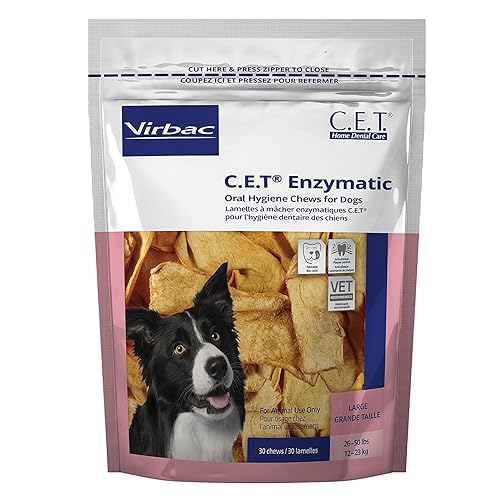
While you're at it, remember that food transitions aren't the only change that upsets stomachs — stress, new treats, and table scraps all do it too. If your dog has diarrhea, the culprit is as likely to be the bully stick from yesterday as the new food.
How Much to Feed (and the Problem With the Bag's Chart)
Every bag has a feeding chart, and every chart overestimates. Feeding trials are done on intact adult dogs with average activity — which describes almost no one's actual dog. Neutered dogs need roughly 20-30% fewer calories than intact ones. Indoor dogs need fewer calories than outdoor ones. A 70-pound lab that sleeps 22 hours a day does not need the same food as a 70-pound lab that hunts.
The right approach: start at the low end of the bag's range, weigh your dog weekly for a month, and adjust. You want a waist visible from above, ribs you can feel without pressing hard, and no dramatic weight swings. If the dog is gaining, cut 10-15%; if losing, add the same. It takes a month of data to dial it in, and then it's maintenance.
Body condition scoring is the skill every owner should learn — our guide to the best dog foods covers how to do it, and the wet vs dry breakdown goes deeper into format choice if you're still deciding between kibble and cans.
Questions to Ask Yourself (and Your Vet)
Before you commit, run through these:
- Is my dog at a healthy weight on their current food? If yes, what am I actually fixing by switching?
- Has my vet seen my dog's current food? (Vets rarely ask, but most are happy to give an opinion.)
- Am I choosing this food because of evidence, or because of an ad I saw?
- Can I afford this food consistently for the next year? If the answer is "no," pick something cheaper now — before the dog gets attached.
- Does my dog have any health condition that should dictate the choice? If so, what does my vet recommend specifically?
That last question is the one that matters most. The single best predictor of a good food choice is whether you asked your actual veterinarian — not a forum, not a YouTube influencer, not the guy at the pet store who also sells the food.
My Take
I've fed my German Shepherd everything from $12 store-brand bags to $120 boutique kibble over the years. The $120 food didn't give him a shinier coat, more energy, or a longer life. What gave him all three was feeding him consistently, at the right amount, at a price I could sustain, and getting him checked by a vet twice a year.
Pick a complete, AAFCO-approved food from a brand with decent quality control, at a price you can afford forever. Feed the right amount. Watch the body condition. That's the whole secret, and the entire pet food industry is structured around convincing you it's harder than that.
It isn't.
Related reading: Best Dog Food 2026, Wet vs Dry Dog Food, Best Dog Food for Puppies, Dog Bloat: Symptoms & Prevention, Household Toxins Dangerous for Dogs, and Best Dog Training Treats.