How to Choose Your First Pet Bird: A Buying Guide That Cuts Through the Cuteness
Disclosure: PawCritic is reader-supported. Some links below are Amazon affiliate links, which means we may earn a small commission if you buy through them — at no extra cost to you.
Every week someone walks into a pet store planning to buy a parakeet and walks out with a cockatoo. I'm not exaggerating — that's how a shocking number of surrendered parrots start their journey through three homes in five years. The impulse is understandable. The bird is gorgeous, the price tag is a shock, and "how hard can it be?" is a dangerous sentence.
Here's the thing nobody at the store will tell you: a bird is not a decoration. It's a 15-to-80-year commitment with feathers, and the species you pick determines almost everything about your life for the next few decades — noise level, mess, interaction needs, lifespan, and vet bills. Choosing a bird by looks alone is like choosing a spouse by their profile picture. It can work out, but the odds are bad.
This guide is the conversation I wish someone had with me before my first bird. We'll go through what actually matters, which species fit which lifestyles, what the real costs look like, and the questions you should answer honestly before you hand over any money.
Step 1: Answer These Questions Before You Look at Any Bird
Skip this step and you'll be making decisions on vibes. Do it first and the right species will basically pick itself.
- How much time do you actually spend at home? Not the time you wish you had — the time you actually have. A parrot that's alone 10 hours a day is a parrot that develops screaming and feather-plucking problems.
- How much noise can you tolerate? And your roommates. And your neighbors. Be honest — some species scream at volumes that genuinely hurt human ears.
- Do you want a bird that talks, or a bird that exists? Not all birds talk. Many species rarely do. If talking matters, budget accordingly (and expect it to be hit or miss even then).
- What's your living situation in 10 years? Apartments get rented, partners get combined, kids get born. Large parrots live 40–80 years. Plan for the life the bird will actually live.
- What's your budget, really? The bird is the cheapest part. The cage, food, toys, and vet care add up to far more than the purchase price in the first year alone.
- Do you have dust or allergy sensitivities? Cockatiels and cockatoos produce feather dust that some people can't handle.
- Are you prepared for the mess? Birds scatter food, shred toys, and produce droppings with impressive enthusiasm. There is no bird that doesn't make a mess. There just isn't.
If those questions made you uncomfortable, good. That means you're taking this seriously, which already puts you ahead of the curve.
Step 2: Match a Species to Your Life (Not the Other Way Around)
Let's talk about the realistic entry-point species and who they actually suit. I'll be direct about the downsides, because the upsides are everywhere on the internet and the downsides are what get people.
Budgies (Parakeets): The Small Bird With Real Opinions
Budgies are the classic first bird, and for good reason: they're small, relatively quiet, cheap to keep, and genuinely affectionate when hand-raised and handled daily. A well-socialized budgie will bond hard, learn words (some learn dozens), and live 7–12 years with good care.
The downside nobody mentions: budgies are also extremely good at being forgotten. They're small enough to fade into the background, and an unhandled, under-socialized budgie becomes a cage ornament that bites when you finally try to interact. They also need same-species company or a serious time commitment from you — a single lonely budgie is a sad budgie.
Budgies suit: first-time owners, apartment dwellers, people who can commit 1–2 hours of interaction a day, households that want a real pet but not a project.
Cockatiels: The Golden Retriever of the Bird World
Cockatiels are the bird I recommend most often to first-timers who want a slightly bigger presence. They're gentle, affectionate, rarely bite hard, and are famous for being easygoing. They can whistle tunes (especially males), bond deeply, and live 15–25 years.
The trade-offs: feather dust (significant — allergy sufferers, take note), a need for daily out-of-cage time, and a tendency to bond to one person and hiss at everyone else if you don't socialize them broadly. They're also louder than budgies — not screamers, but they'll let you know they're there.
Cockatiels suit: first-timers who want more bird than a budgie, people with regular home hours, owners who can handle feather dust, households without severe noise constraints.
If you're torn between these two, we've done a full parakeet vs. cockatiel comparison that lays out the differences head-to-head.
Lovebirds: Small Body, Big Personality
Lovebirds are adorable and I love them, but I tell first-timers to think twice. They're feisty — genuinely nippy, stubborn, and full of attitude in a body the size of your palm. They can bond beautifully with a patient owner, but they're also the species most likely to draw blood from a beginner who doesn't read body language.
Lovebirds suit: owners with some bird experience, people who find the attitude charming rather than annoying, households that can commit to daily handling from day one.
Parrotlets: The Tiny Parrot With a Big Beak
Parrotlets pack macaw attitude into a budgie-sized body. They're smart, playful, and entertaining — but that attitude means they need firm, consistent handling from day one or they'll run the house. Great little birds, not the easiest first choice.
Finches and Canaries: Beautiful, But Not Companions
This one needs saying because so many people buy finches expecting a pet and get an aquarium with wings. Finches and canaries are flock birds — they're happiest in groups, they don't bond with humans, and they don't want to be handled. They're lovely to watch and listen to (canaries sing beautifully), but if you want a bird that sits on your finger, this is the wrong aisle.
Finches and canaries suit: people who want a beautiful, low-interaction living display, households where birds are observed rather than handled, owners who can provide a large flight cage.
The Big Parrots: A Warning, Not a Recommendation
I'm going to say this plainly: I don't recommend large parrots — African greys, macaws, cockatoos, Amazons — as first birds, and I'd go further: most people shouldn't own them at all. They live 40–80 years, scream at ear-damaging volumes, require hours of daily enrichment, and routinely develop severe behavioral problems in homes that weren't ready for them. The rescue system is full of them.
If you're drawn to big parrots, my honest advice is to start with a budgie or cockatiel, keep birds for several years, volunteer at a bird rescue, and revisit the decision with real experience behind you. The bird will still be there in five years. And you'll know what you're actually signing up for.
Step 3: Know the Real Costs — the Bird Is the Cheap Part
Let's do the first-year math on a budgie, because people assume "small bird, small budget."
- The bird itself: $25–$60 (and please, adopt rather than buy from a pet store — rescues are overflowing with budgies)
- A proper cage (bigger than the store suggests — the bar spacing and floor space matter more than height): $80–$200
- Food (quality pellet diet + fresh vegetables): $15–$30/month
- Toys — and they destroy them, this is a recurring cost, not a one-time purchase: $10–$30/month
- Perches, bowls, cage liners, cleaning supplies: $50–$100 initial
- First vet checkup with an avian vet: $75–$150
That's roughly $300–$600 in year one for the smallest, cheapest companion bird. Cockatiels run maybe 30% higher. And that's before you account for the one thing every bird owner eventually hits: the emergency vet visit. Birds hide illness until they're critical — it's a survival instinct — which means when you finally notice something's wrong, it's often serious, and avian vet bills reflect that. If you can't afford a $500–$1,000 emergency fund for the bird, you can't afford the bird.
If you end up adopting a bird that came from a seed-heavy diet, a high-quality conversion pellet is the tool you'll want for the transition — the small size works for budgies and cockatiels alike, and conversion is a slow, patient process that a good pellet makes easier.
And please budget for quality food. A pellet-based diet with fresh vegetables beats an all-seed diet in every measurable way — our pellet diet guide explains why seeds alone are the nutritional equivalent of a diet of candy bars. A good place to start is a high-potency pellet formula sized for your bird — the size grades matter, so pick the one matched to your species, not the prettiest bag on the shelf.
Step 4: The Cage and Setup — Buy Big, or Buy Twice
The cage is the single most important purchase after the bird itself, and it's where first-timers get taken for a ride. Rule of thumb: the cage should be wide, not tall. Birds fly horizontally, not vertically. A tall, skinny cage is a bird condo that looks good in the store and fails in real life.
Minimums I'd stand behind: budgies, 18" x 18" floor space minimum, 24" preferred. Cockatiels, 20" x 20" floor, bigger if you can. Bar spacing matters too — too wide and small birds can get their heads stuck or squeeze out; too narrow and bigger birds break their feathers. For budgies and cockatiels, 1/2" spacing is the sweet spot.
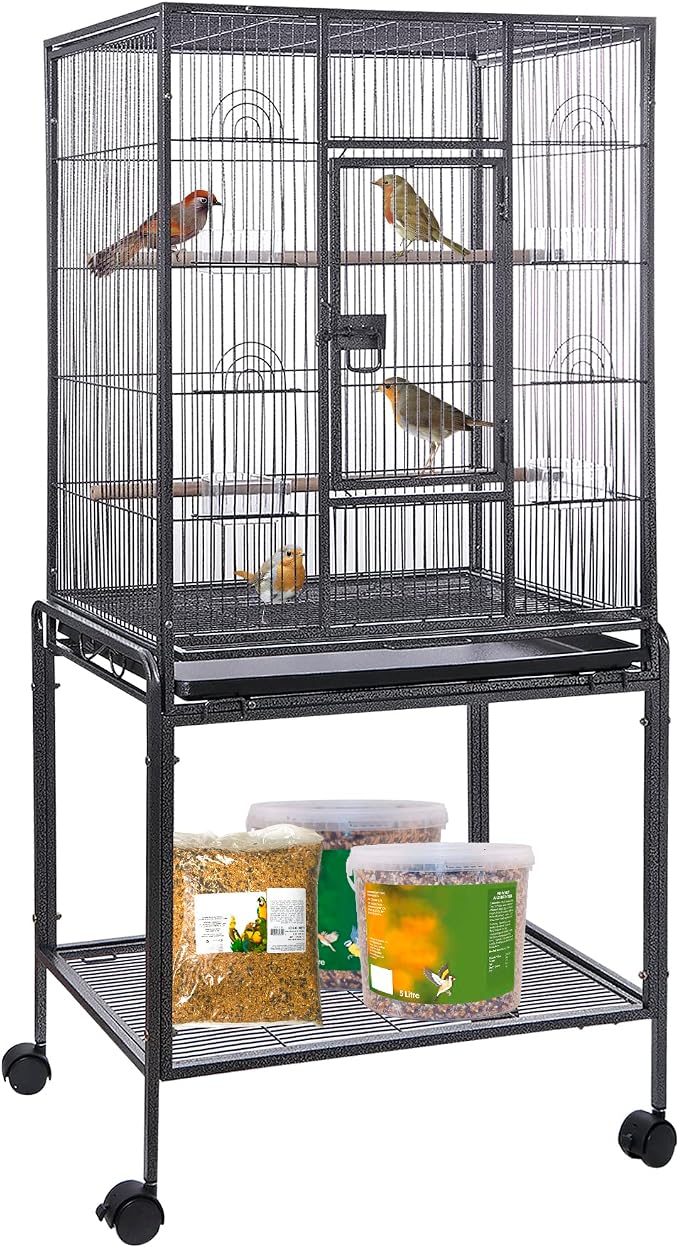
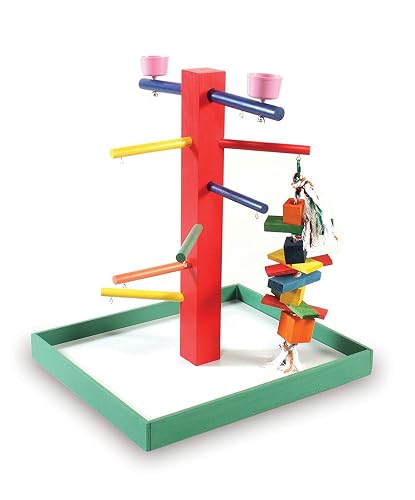
Inside the cage: natural wood perches of varying diameters (not just the sandpaper-covered dowels that come with the cage — those wreck feet), food and water bowls that don't sit directly under perches, and toys. Multiple toys, rotated weekly, because birds need novelty and a bored bird is a plucking bird. We've got a full cage guide for small parrots and a bird toy guide if you want specifics. For a cage that won't need replacing in two years, the Prevue play-top cage is a popular pick for both budgies and cockatiels — it's got the horizontal space they actually use, plus a play area on top for out-of-cage time.
Step 5: The Questions to Ask the Breeder or Rescue
Whether you adopt or buy, you're allowed — and should — ask hard questions. Walk away from anyone who can't or won't answer them:
- How old is the bird, and what's its history? (Rescues can tell you; pet stores often can't.)
- Has it been hand-raised or parent-raised? Hand-raised birds are typically friendlier but can have their own issues.
- What was it eating? (If the answer is "just seeds," budget for a slow, careful diet transition.)
- Has it seen a vet? When? What was the result?
- Can I see the parents (for a young bird) or the bird's current setup?
- Does the bird have any known behavioral issues? (The honest answer might be "it bites" — that's fine, you'd rather know.)
A reputable breeder or rescue will ask you questions too — about your experience, your home, your plans. If they're happy to sell you a cockatoo with zero questions asked, that's a red flag the size of a macaw.
Step 6: Be Honest About the Commitment
Here's the part that should make you pause. A budgie lives 7–12 years. A cockatiel, 15–25. That's not a goldfish. That's a pet that will be with you through job changes, moves, relationships, maybe kids. Birds are also flock animals — they bond, they grieve, they suffer when rehomed. Every bird in a rescue is there because someone didn't think this through.
The AVMA's guidelines on responsible pet ownership are blunt about this: exotic pets, including birds, require owners who understand their specific needs and long lifespans, and impulse purchases are the leading cause of surrendered parrots. The most responsible thing you can do for a bird is decide, before you buy, that you're in it for the whole life of the animal — not just the cute phase.
My Bottom Line
If you've read this far and you're still in: start with a budgie or a cockatiel, adopt if you can, buy the biggest cage you can fit, and set up your annual avian vet checkup budget before you bring the bird home. That combination gives you the best odds of a decade or two of genuine companionship instead of a rehoming story.
And if reading this made you realize a bird isn't right for you right now? That's not a failure — that's you being a responsible potential owner. The birds will thank you for it, even if they never know it.