Your Dragon Suddenly Stopped Eating. That's Probably Not an Emergency.
Every autumn I get the same panicked messages. Somebody's bearded dragon hasn't eaten in nine days, barely opens its eyes, and has buried itself under the substrate like it's auditioning for a role in a nature documentary. Nine times out of ten, the dragon is fine. It's brumating — the reptile version of hibernation — and it's one of the most natural, normal things a healthy adult bearded dragon can do.
The problem is that brumation looks terrifyingly like illness. A sick dragon hides, stops eating, and goes limp. A brumating dragon does exactly the same things. Telling the two apart is genuinely the hardest judgment call in bearded dragon husbandry, and I've seen experienced keepers get it wrong in both directions — people who panicked and force-fed dragons that just wanted to sleep, and people who ignored a genuine illness because they assumed it was 'just brumation.' This guide is about threading that needle.
What Brumation Actually Is
Brumation is a dormant state triggered by seasonal cues — shorter days, cooler temperatures, dropping barometric pressure. In the wild, Australian bearded dragons ride out the cool dry season by slowing their metabolism dramatically. Heart rate drops, digestion essentially halts, and the animal can go weeks or months with little or no food.
In captivity, your dragon can't feel the Australian winter, but it can feel the signals leaking in anyway. The daylight through your window shortens. Your house cools a few degrees because you've switched off the AC. Room lighting shifts as your schedule changes. Some dragons brumate every single year like clockwork, usually starting between October and February in the Northern Hemisphere. Others never brumate at all, and that's fine too. I've kept siblings from the same clutch where one brumated hard for three months every winter and the other never so much as took a long nap.
Age matters. Brumation is mostly an adult behavior. Dragons under about a year old — and especially under six months — should not be going into deep brumation, because they don't have the fat and mineral reserves to safely sustain months of fasting. If a juvenile dramatically slows down, treat that as a potential health problem first, not as brumation.
What Brumation Looks Like From the Outside
Classic brumation behavior unfolds gradually. It usually starts subtly: the dragon eats a little less, basks a little less enthusiastically, heads to its hide earlier in the evening. Over a week or two this deepens. The dragon may sleep 20-plus hours a day, emerge only briefly, sometimes drink a little water, then bury itself again. Some dragons dig elaborate depressions in the substrate. Others just wedge themselves into a cave and don't come out.
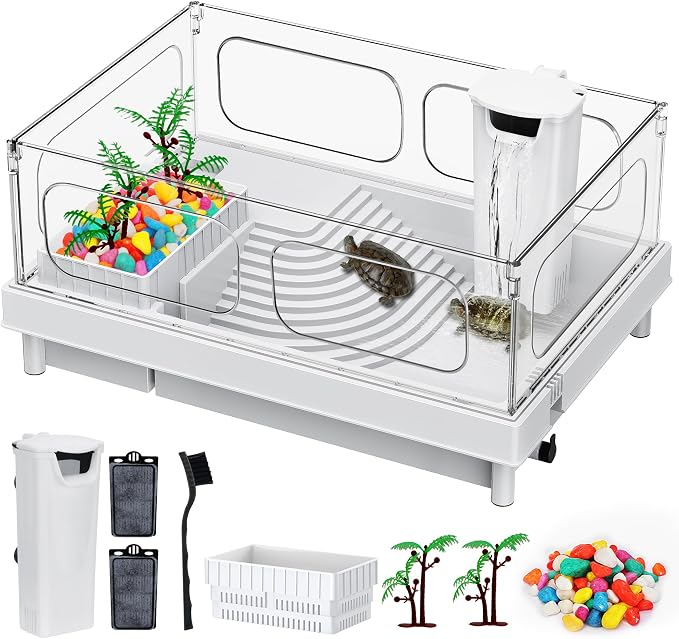
Weight is the key metric. A brumating dragon loses weight very slowly — a few grams over weeks for an adult. A sick dragon often drops weight fast or was already thin before it stopped eating. This is why I tell every keeper the same thing: buy a gram scale and weigh your dragon monthly its whole life. The data you collect in October is worthless unless you have a baseline from July. A scale that reads to the gram costs about the same as two bags of salad greens, and it will do more for your dragon's welfare than almost any other tool in the hobby. I use a simple digital kitchen scale with a bowl on it — this style of gram scale is what I recommend to new keepers.
One more tell: posture and response. A brumating dragon is groggy but responsive. Poke around gently (don't actually poke, but you know what I mean) and it will lift its head, maybe open an eye, give you the slow blink of profound annoyance. A critically ill dragon is often limp, has sunken fat pads on the head, dark or blackened belly markings that don't fade, or stays flaccid when handled. That's a vet, today.
The Pre-Brumation Vet Check (Do This, Seriously)
Here's the step most keepers skip, and it's the one that matters most. Brumation is only safe for a healthy animal. If your dragon is carrying a heavy parasite load, has an early kidney problem, or is fighting an infection, brumation will amplify it — the suppressed immune system can't hold the line while the body slows down.
So if your dragon shows brumation signs and you intend to let it brumate, get a fecal exam and ideally a blood panel done first. A fecal float and direct smear costs somewhere between $30 and $60 at most exotics vets and will catch pinworms and coccidia, the two most common troublemakers. According to the Association of Reptilian and Amphibian Veterinarians, a pre-brumation health assessment including parasite screening is standard best practice for any reptile entering a dormant period. If parasites show up, treat them before brumation starts. Worming a sleeping dragon is rough on its system; worming a healthy awake one is routine.
If the fecal is clean and the dragon is a good weight with good muscle tone, you have my blessing — and more importantly, the vet's — to let nature take its course.
Preparing the Enclosure for a Safe Brumation
You have two philosophies to choose from, and honest keepers disagree about which is better.
The first is natural brumation: you let the dragon brumate in its normal enclosure, keeping lights on a timer but shortening the photoperiod gradually from 12-14 hours down to about 10, and dropping basking temps modestly. The dragon manages itself. The second is a controlled brumation: you deliberately drop temps to around 68-75°F ambient, shorten the light cycle, and some keepers even move the dragon to a dedicated cool, dark brumation enclosure or a thermostat-controlled space.
For most first-timers, I recommend the natural approach in the existing enclosure. It's less to get wrong. The critical safety rules are the same either way:
First, gut empty before shutdown. A dragon that goes into deep brumation with a stomach full of half-digested crickets is at real risk — food can rot in a gut that's no longer processing. When your dragon stops eating, keep lights and heat running normally for a good 10 to 14 days afterward so anything in the digestive tract passes completely. This is non-negotiable.
Second, keep water available and offer it. A brumating dragon still needs to hydrate occasionally. Many will drink if you gently drip water on their snout or wake briefly and find a shallow dish. I check on mine about twice a week — a brief visual once-over for weight and posture, offer water, then leave them alone. Don't handle them for fun. Waking a brumating dragon repeatedly burns energy it's trying to conserve.
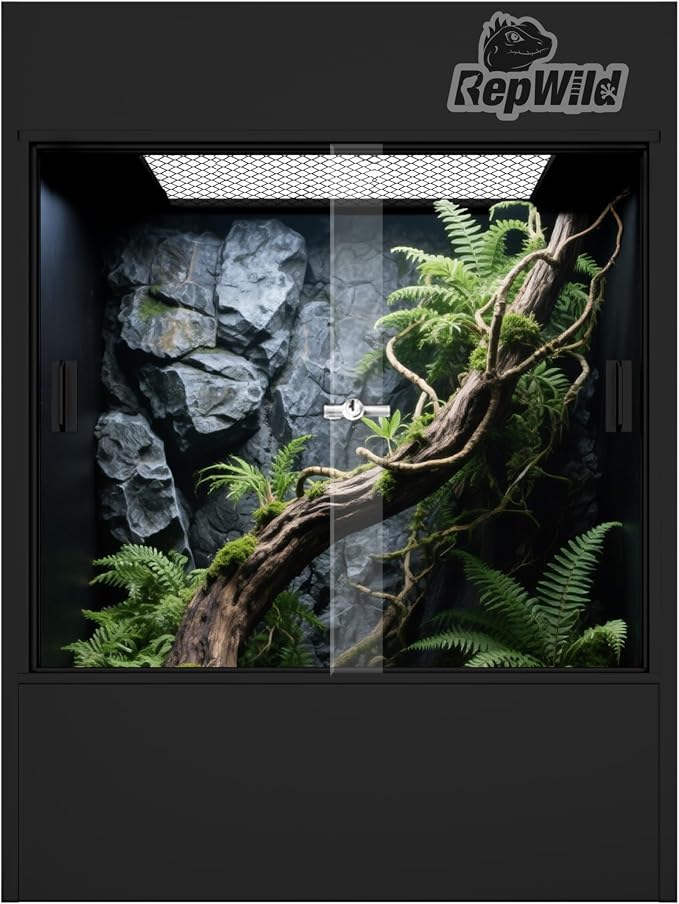
Third, keep the cool side from getting too cold. If your house drops below about 60°F at night in winter, brumation becomes dangerous rather than restful — you're edging toward a freeze response. A low-output supplemental heat source on a thermostat solves this. A ceramic heat emitter run through a reliable thermostat like this thermostat controller holds a floor temperature overnight without producing light that disturbs the dragon's dark cycle. That combination — CHE plus thermostat — is the single safest piece of winter equipment a dragon keeper can own.
Fourth, skip food entirely once the dragon is truly down. Do not wake a brumating dragon to feed it. The metabolism isn't running; the food just sits. I've seen well-meaning owners do this weekly and then wonder why their dragon lost more weight than the neighbor's dragon that was simply left alone.
Brumation Myths Worth Killing
Myth one: brumation is required for breeding. There's a kernel of truth — cooling periods can improve sperm production and follicle development in some breeders — but pet dragons that never brumate live full, healthy lives. You are not neglecting your pet by keeping it awake, provided you keep conditions consistent year-round. And forcing brumation on an unwilling dragon by cranking temps down is a bad idea. Cooperative brumation, yes. Imposed brumation, no.
Myth two: a dragon that brumates is unhappy. Nope. Brumation is an inherited seasonal program, not a symptom of bad care. Some of the best-kept dragons in the country are asleep under their substrate right now.
Myth three: you should brumate a young dragon to make it brumate 'properly' later. Dangerous nonsense. Juveniles need continuous food and heat to build bone and muscle. The Humane Society of the United States' exotic animal care guidance emphasizes that husbandry for young reptiles must prioritize uninterrupted growth, and deliberate cooling of juveniles contradicts that outright.
When to Worry: The Red Flags
Brumation is a diagnosis of exclusion, which means you rule out sickness first. Call your exotics vet rather than waiting if you see any of these:
Marked weight loss — more than about 10% of body weight over the brumation period is too much. Lethargy combined with sunken eyes or visible bone structure along the hips and tail base. Black beard persisting for days in a sleeping dragon. Any discharge from the mouth or nose, wheezing, or open-mouthed breathing. Diarrhea or abnormal droppings right before shutdown, which can hint at parasites. A dragon that wants to sleep but can't settle — digging frantically, pacing, repeatedly rising and collapsing — may be in pain rather than dormancy. And again, any dragon under a year old showing deep brumation behavior deserves a vet visit, full stop.
Timing anomalies count too. Brumating in July under full summer light is unusual. Not impossible — some dragons respond to indoor cues we don't perceive — but unusual enough that I'd want a fecal and a look-over before accepting it.
Waking Up: The Exit Protocol
Most dragons wake on their own as days lengthen, somewhere between late January and March. When yours stirs, don't celebrate with a big meal. That's the classic rookie mistake. The gut has been idle for months and needs a gentle restart.
Restore full heat and light first, before offering any food. Give the dragon two or three days of proper basking temperatures — surface temp around 105-110°F — so its metabolism spins back up. Hydration comes next: offer water, and if the dragon won't drink, give shallow warm soaks a few times a week. Then start with tiny, easily digested meals. A couple of soft-bodied insects or a small serving of greens on day three or four. Gradually ramp quantity over two weeks. Overfeeding a freshly emerged dragon can cause regurgitation and, in bad cases, serious digestive trouble.
Expect a vet visit to be on the table post-brumation too. A fecal recheck after waking is cheap insurance; dormant periods can let low-level parasite loads bloom. And don't panic if appetite takes a few weeks to fully return or if the dragon is initially grumpy and dull-colored. Post-brumation drag is normal. Males often come out of brumation with breeding season behavior — head bobbing, black beard, territorial fussiness — which is its own adventure.
Weight tracking continues through emergence. Log it weekly for the first month back. If weight isn't trending up by week three of normal eating, something else is going on.
To Let It Brumate or Not: My Straight Answer
People ask me whether they should prevent brumation entirely. If your dragon has a clean bill of health and genuinely wants to sleep, my answer is let it. Fighting a deep biological urge for months — keeping lights blazing at a dragon that's desperately trying to shut down — stresses the animal and rarely works anyway. Dragons that are prevented from brumating often just settle into a miserable half-state, eating nothing while staying too warm to truly rest.
But if your dragon is under a year old, underweight, recovering from illness, or recently acquired and untested for parasites, then keep it awake: full heat, full light, 14-hour photoperiod, consistent temps, and a vet appointment to sort out why it's trying to shut down.
The Practical Takeaway
Brumation done right is a slow, boring, uneventful process, which is exactly what you want. Get the pre-brumation fecal. Run lights and heat for two weeks after the last meal. Keep water offered and overnight temps above 60°F with a thermostatted ceramic emitter. Weigh every couple of weeks and know your dragon's red flags. Wake gently with heat before food, and ramp meals slowly.
Do those things and brumation becomes what it should be — a quiet winter chapter in an otherwise loud, head-bobbing, salad-flinging life with your dragon. Skip them and you're gambling with a sleeping animal that can't tell you when the gamble goes bad. The gram scale and the thermostat will run you under sixty dollars combined. That's the entire premium on this insurance policy. Buy them before October, not after your dragon's already asleep under the substrate and you're up at 2 a.m. reading forum threads with your heart pounding.
Related Reading
Want more on this topic? Check out our guides on leopard gecko shedding problems prevention guide, best bioactive terrarium kits self cleaning vivarium setups, best reptile thermometers hygrometers.