Leopard Gecko Shedding Problems: Causes, Prevention & When to Intervene
Disclosure: PawCritic is reader-supported. A couple of links below are Amazon affiliate links, and we may earn a small commission if you purchase through them at no extra cost to you.
The first time I saw stuck shed on a gecko's toes, I was a new vet tech and the owner was close to tears. Her gecko, Bowie, had lost two toes to a bad shed that she'd never even noticed starting. She'd done everything right by her standards — heated the tank, fed the crickets, kept the lights on a schedule. Nobody had told her that leopard geckos need humidity, not just heat, and that a dry shed is how toes die.
Here's the uncomfortable truth: shedding problems are the most common preventable health issue in captive leopard geckos. They're also the easiest to fix once you understand what's going on. So let's talk about why sheds go wrong, how to stop it happening, and exactly when you need to get involved.
First: What Normal Shedding Looks Like
Leopard geckos shed their skin in pieces, not in one clean snakeskin tube like some reptiles. A healthy shed happens every 3-5 weeks for adults, more often for juveniles — babies can shed every week or two because they're growing fast.
In the days before a shed, your gecko's colors will look dull and milky — that's the old skin separating. Some geckos go off food during this phase. Then, usually overnight, they work the skin off using their mouth and by rubbing against decor. They'll eat the shed skin afterward. That's normal and beneficial — it reclaims nutrients and leaves no trace for predators. If you never see the skin, that's usually because your gecko ate it, not because it didn't shed.
Problems start when pieces of that old skin don't come off — most commonly on the toes, the tail tip, and around the eyes. That's stuck shed, and it's the thing this guide is really about.
Why Sheds Go Wrong: The Three Usual Suspects
Stuck shed isn't random bad luck. In my experience, and in the reptile veterinary literature, it comes down to three things, usually in combination:
1. Low humidity — the big one. Leopard geckos come from arid regions of Afghanistan, Pakistan, and India, but "arid" doesn't mean "dry air at all times." They need a humid hide — a hide box with moist substrate — to shed properly. The ambient humidity in most heated homes sits around 20-40%, which is far too dry for a shed. Without a humid hide, the old skin dries out and sticks. This is the #1 cause of bad sheds, full stop. The Association of Reptilian and Amphibian Veterinarians (ARAV) consistently lists improper humidity as a leading husbandry error in leopard gecko care.
2. Dehydration. A gecko that isn't drinking enough is a gecko whose skin lacks the suppleness to shed. Dehydration compounds the humidity problem — even a humid hide won't fully compensate if the gecko itself is dried out. Fresh water should always be available, and if your gecko isn't drinking, that's worth investigating on its own.
3. Poor nutrition. Shedding is metabolically expensive. Geckos on a monotonous diet — all crickets, no variety, no supplementation — often have sub-par skin quality. Calcium and vitamin deficiencies show up in the skin and in the shed itself. This is why I'm such a broken record about dusting feeders and varying the insect lineup.
Less common causes: mites (which irritate the skin), injuries, and underlying illness. If sheds start failing on a gecko that previously shed fine, and husbandry hasn't changed, that's a reason to look deeper — illness can absolutely degrade skin health.
Why Stuck Shed on Toes Is an Emergency in Slow Motion
Here's the anatomy lesson that explains why toes are the danger zone. A ring of dried skin around a toe acts like a tourniquet. As the toe tries to shed and the new skin underneath swells slightly, the old ring tightens. Blood flow gets cut off. The tissue dies. The toe falls off.
This happens gradually — over days, sometimes weeks — which makes it insidious. By the time an owner notices the stuck shed on the toes, the damage can already be done. Geckos can lose toes, parts of toes, or entire feet this way. A leopard gecko missing toes can still live a full life with adjusted husbandry, but every lost toe was preventable.
Stuck shed around the eyes is a different emergency. Retained shed on the eye caps (the spectacle) can build up in layers, impair vision, and set up infections. If your gecko has retained eye caps, that's a vet visit — attempting to peel them yourself risks permanent eye damage. I can't say this strongly enough: eyes are off-limits for home treatment.
The tail tip is the third trouble spot. Same mechanism as toes — a constricting ring of skin — and it can cost the gecko the tip of its tail.
Prevention: The Humid Hide Is Non-Negotiable
Preventing bad sheds is almost entirely about one piece of equipment: the humid hide. If you take one thing from this article, let it be this.
A humid hide is a closed container — a store-bought hide or even a plastic container with an entrance hole cut in it — lined with damp substrate. Sphagnum moss is the classic choice because it holds moisture for days. The hide goes on the warm side of the enclosure, so it stays warm AND humid, mimicking the conditions a gecko would seek out in the wild before shedding.
Setup rules that actually matter:
- Keep the substrate damp, not soaking. Squeeze the moss out so it's moist but not dripping. A soggy hide breeds bacteria and can cause skin infections.
- Re-moisten regularly. Every 2-3 days in winter, more often in dry climates. Check it when you check the water bowl.
- One humid hide per gecko. If you keep geckos together, they'll squabble over prime real estate — and a gecko that loses the hide argument loses the shed.
- Keep it available year-round, not just before sheds. Geckos use it to regulate moisture even between sheds. The gecko that can choose humidity will shed fine; the gecko that can't, won't.
A bag of sphagnum moss is cheap, lasts for months, and is the single highest-value purchase in leopard gecko husbandry — a proper humid hide beats any gadget. I use it in every humid hide I set up.
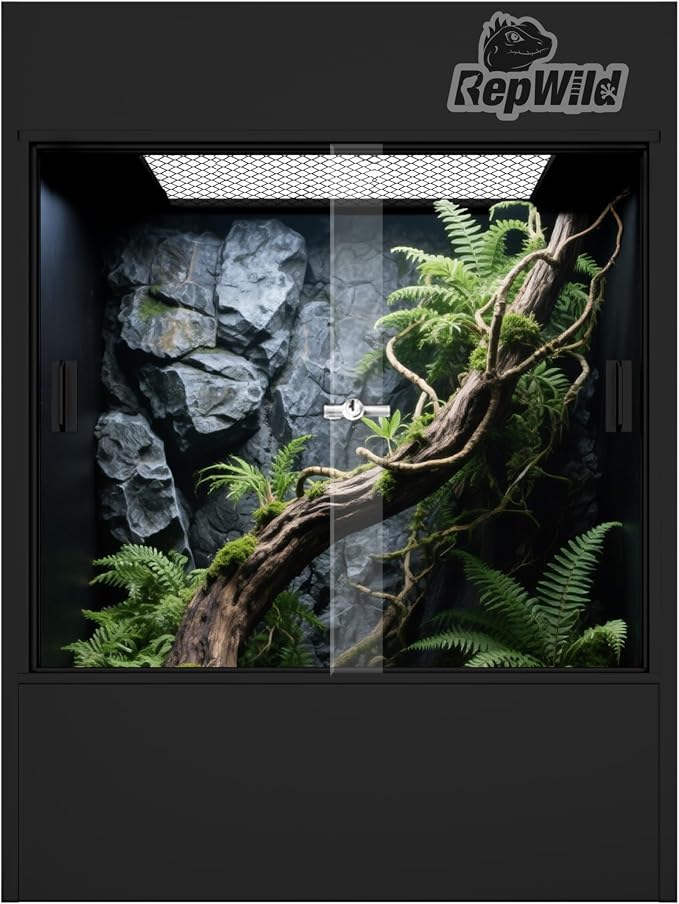
Beyond the humid hide, prevention is the boring stuff done consistently: fresh water daily, a varied insect diet dusted with calcium (with and without D3 on a rotation), and a clean enclosure. My earlier guide on leopard gecko health problems covers the full health checklist; the shedding piece is one chapter of it.
How to Fix a Bad Shed Safely
So you've found stuck shed. Now what? Here's the order of operations, from least to most invasive.
Step 1: The sauna (for mild stuck shed). Add a shallow dish of lukewarm water — about 80-85°F, never hot — to the enclosure, or place a damp paper towel in the humid hide. The added humidity softens the stuck skin over a few hours. Many geckos will then work the skin off themselves. Check again the next day before doing anything else.
Step 2: The soak (for toes and tail). If the sauna didn't do it, soak the affected area in lukewarm water (80-85°F) for 10-15 minutes. Then, with a cotton swab or soft cloth, gently roll the softened skin off the toe — roll, don't pull or peel. If it doesn't come off with light pressure, it's not ready; soak again. Never yank. Never use scissors or tweezers near the skin. The goal is to remove the constricting ring before it does damage, not to remove every scrap of skin.
Step 3: Know when to stop. If the shed is on the eye caps, if the skin is deeply embedded, if there's swelling, redness, or discharge, or if you've soaked twice and it's still stuck — stop, and get to a reptile vet. A stuck shed that you can't remove in two gentle sessions is a veterinary problem, not a determination problem.
And here's the thing people forget: after you remove a bad shed, fix the cause. A soak removes today's stuck skin. It does nothing about next month's. If you're not using a humid hide, start. If the enclosure is dry, add moisture. Otherwise you'll be doing this dance forever.
Calcium: The Connection Nobody Talks About
Shedding and calcium are linked in a way most owners never hear about. Calcium is involved in skin formation, and geckos with calcium deficiency — the kind that eventually becomes metabolic bone disease — often have poor, brittle sheds. I've seen geckos whose shedding problems were the first visible sign of a calcium crisis building.
The fix is routine supplementation: dust feeder insects with a calcium powder with D3 at most feedings, and provide a small dish of plain calcium (no D3) in the enclosure at all times — leopard geckos will self-regulate their calcium intake when offered a dish. That dish is the best insurance policy in leopard gecko keeping. My guide on metabolic bone disease prevention goes deeper into calcium metabolism and why it matters beyond shedding.
The Nutrition Side: Feed Variety, Not Just Crickets
I already mentioned nutrition as a cause, but it deserves its own section because it's so fixable. A leopard gecko eating nothing but crickets is eating a one-note diet. In the wild, these geckos eat a wide range of invertebrates — beetles, roaches, worms, whatever they can catch.
In captivity, that means rotating: crickets, dubia roaches, black soldier fly larvae, mealworms (in moderation — they're fatty), and the occasional waxworm as a treat. Each insect has a different nutrient profile, and the variety shows up in skin quality, growth, and shedding. Gut-load the insects for 24 hours before feeding — feed the bugs nutritious food so the gecko gets the benefit — and dust with calcium as discussed.
Vitamin A deserves a special mention. It's involved in skin health and shedding, and both deficiency and excess can cause problems. A quality multivitamin dusted once or twice a week covers the bases. If your gecko's sheds keep failing despite good humidity and hydration, a vitamin issue is a real possibility — another reason a vet visit is worthwhile rather than a sign of failure.
When to See the Vet: The Checklist
Not every stuck shed needs a vet. Most don't. But here's the list of situations that do:
- Retained shed on the eyes (eye caps) — never attempt this at home
- Stuck shed that won't come off after two gentle soak sessions
- Swelling, redness, discharge, or a bad smell around the affected area — signs of infection
- Constricting bands on toes or tail that you can't remove — toes are at risk
- Frequent, repeated bad sheds despite correct humidity and hydration
- Any shed problem in a gecko that's also lethargic, not eating, or losing weight
A reptile vet — a vet with actual reptile experience, not just a general small-animal practice — can safely remove stubborn shed, treat any infection, and check for underlying issues. The cost of a consult is a fraction of the cost of treating a toe infection or a systemic illness, and it's way less than the regret of watching a preventable problem get worse.
The Routine That Prevents 95% of Shed Problems
Here's the whole prevention playbook on one page. Do these, and bad sheds become rare:
- ✓ Humid hide with damp sphagnum moss, on the warm side, checked every 2-3 days
- ✓ Fresh water available at all times; watch that your gecko actually drinks
- ✓ Varied insect diet, gut-loaded and dusted with calcium (with D3) at most feedings
- ✓ Plain calcium dish (no D3) always available in the enclosure
- ✓ Multivitamin dusting once or twice weekly
- ✓ A quick toe-and-tail check at every handling session — catch rings early, when they're still easy
- ✓ Correct temperature gradient — a gecko that can't thermoregulate can't shed properly either
That last point matters more than people think. If the enclosure is too cold, the gecko's metabolism slows, and shedding — like everything else — stalls. Warm side around 88-92°F, cool side in the mid-70s, and a proper gradient between them. Heat and humidity work together in shedding; you need both.
The Takeaway
Bad sheds are the most preventable problem in leopard gecko keeping, and they're almost never the gecko's fault. They're the owner's — and I mean that kindly. Nobody teaches you about humid hides when you buy the starter kit. The pet store sells you a heat lamp and a bag of sand and calls it done.
But now you know the whole picture: humidity in the hide, water in the bowl, variety and calcium in the diet, and a two-minute toe check every time you handle. That's it. That's the entire secret. Geckos that get these basics shed cleanly, keep all their toes, and live 15-20 years.
Bowie, the gecko from my vet tech days, kept his remaining toes after we treated the stuck shed — and his owner left with a sphagnum moss setup and a much better understanding of what "desert reptile" actually means. Desert doesn't mean dry. It means dry with a place to get wet when you need it. Give your gecko that place, and shedding stops being a problem you worry about.
Related reading: Leopard Gecko Health Problems, Metabolic Bone Disease Prevention, Reptile UVB Lighting Mistakes, and Choosing Your First Reptile.