My First Hyperthyroid Case Taught Me To Trust The Scale
I remember Muffin — a 12-year-old domestic shorthair who'd been coming to my clinic for years. Her owner brought her in because “she's turned into a jerk lately.” She meowed all night, knocked stuff off the counters, and seemed wired. Nothing dramatic. No collapse, no seizure. Just a grumpy old cat acting out.
Except Muffin had lost 1.4 pounds since her annual exam six months earlier. And her heart was hammering at 240 beats per minute while she sat perfectly still on my table. That's the moment I want every cat owner to understand: feline hyperthyroidism rarely announces itself with a bang. It whispers. And if you're not listening for it, you'll miss it until treatment gets harder and outcomes get worse.
According to the Cornell Feline Health Center, hyperthyroidism is the most common endocrine disorder in middle-aged and older cats. Less than 10% of affected cats are under 10 years old, and the disease is rare before age 6. That age signal is huge. Once your cat crosses into the senior zone, thyroid disease moves to the top of my list — not just when something's obviously wrong, but at every routine visit.
What's Actually Going On In That Little Neck
Your cat has two thyroid glands sitting in the neck, one on each side of the windpipe. Think of them as the body's volume dial. In hyperthyroidism, a benign tumor called an adenoma — or sometimes just benign overgrowth of the gland — cranks that dial to eleven. The thyroid starts pumping out excess T3 and T4 hormones, and suddenly every organ runs at triple speed.
That metabolic overdrive is exactly why the symptoms look the way they do. The heart beats harder. The gut empties faster. The kidneys flush more water. Muscle protein gets broken down and converted to energy. On paper it sounds like a fat-burning miracle. In reality, it's a wasting process that destroys lean body mass and stresses the heart, liver, and kidneys.
“But isn't it good that my cat is finally losing weight?” I hear that from clients far too often. No. The weight loss in hyperthyroidism is not healthy fat loss. It's muscle loss plus metabolic chaos. Over time, untreated disease leads to high blood pressure, heart enlargement, and hypertrophic cardiomyopathy that can be fatal. I've also seen cats lose vision permanently from retinal detachment caused by an undiagnosed hypertensive crisis. Please don't let it get there.
Why Early Detection Changes Everything
Here's the good news I share with every owner who's panicking after a diagnosis: hyperthyroidism is one of the most treatable hormonal diseases we have in veterinary medicine. It's not like kidney failure or certain cancers where we're just managing decline. We have medication, prescription diets, surgery, and a genuine cure in radioactive iodine therapy. Cats treated early and appropriately can live out a normal senior lifespan with excellent quality of life.
The catch is that treatment works best before the body accumulates permanent damage. A cat who goes undiagnosed for years may have high blood pressure, a thickened heart muscle, and compromised kidney function even after the thyroid is controlled. A cat caught in the early months typically avoids all of that.
This is also why I push for twice-yearly checkups in cats over 10. Many owners assume yearly visits are enough. Trust me, a lot can change in 12 months at age 14. If you have a senior cat, make the bi-annual visit a habit. It's the single best investment for catching hyperthyroidism early.
The Seven Warning Signs Most Owners Miss
Here's the list I give every cat owner with a senior cat. If your cat shows two or more of these, book an appointment and ask about thyroid testing.
1. Weight Loss Despite A Ravenous Appetite
This is the classic sign, and it's the one that gets missed because of food-related denial. “But he eats more than ever!” Yes, exactly. That's the red flag. The hyperthyroid cat is starving because his body burns through calories at an insane rate. He'll beg, cry, wake you at 4 AM, knock the treat jar off the counter, and still drop weight. A loss of 10% or more of body weight over a few months is a medical concern, not a diet win.
Once, a client brought in a cat “just for a nail trim.” I noticed the cat was thin, asked a few questions, and learned she was eating twice as much as her sister. That casual conversation caught the disease before anything tragic happened. Weight trends matter, and small losses add up.
2. Drinking And Peeing More Than Usual
Thyroid hormone messes with the kidneys' ability to concentrate urine. Hyperthyroid cats drink more and pee larger volumes. You might notice the water bowl needs refilling more often, or the litter clumps are suddenly enormous. This symptom overlaps with diabetes and kidney disease, so you can't self-diagnose from bathroom activity alone — but you'd be amazed how many owners just shrug it off. A blood panel and urine test sort it out quickly.
3. Hyperactivity, Restlessness, And Midnight Parkour
Some owners describe their hyperthyroid cat as “acting like a kitten again.” She's jumping on the fridge, sprinting through the house at 3 AM, and suddenly more anxious and jumpy. Cats don't usually reverse age. A 13-year-old calico doesn't spontaneously redevelop kitten zoomies without something driving her metabolism. If your senior cat has turned into a night demon, that's worth a vet visit, not just a laugh on social media.
4. Vomiting Or Frequent “Hairballs”
Hyperthyroid cats often throw up. Rapid gastric emptying, eating too fast, and concurrent gastrointestinal inflammation all fuel it. Owners frequently wave it off as hairballs. But frequent hairballs are a symptom, not a diagnosis. If your cat vomits more than once a week — especially alongside any other sign on this list — don't shrug it off.
5. A Racing Heart
You can't measure this at home, but your vet absolutely can. A normal cat's resting heart rate sits around 140 to 220 beats per minute. Hyperthyroid cats often sustain rates over 240. If your vet listens and says “her heart is really racing today,” push for a thyroid blood test before settling on a “we'll watch it” plan. Unchecked tachycardia damages the heart muscle over time.
6. A Coat That Looks Like It Gave Up
Thyroid hormone directly impacts hair follicle health. Hyperthyroid cats often develop a matted, greasy, unkempt coat along the back and sides. They might groom less, or overgroom into bald patches. One of my patients had a bald belly and a greasy stripe down her back that her owner called “her old-age look.” It was thyroid disease. The coat came back silky within three months of starting medication.
7. Yowling At Night Or Increased Vocalization
Older cats can get vocal from cognitive changes, sure. But hyperthyroid cats often develop a distinctive, loud, urgent yowl — especially overnight. It may relate to high blood pressure causing anxiety or confusion, or just general hormonal overstimulation. If your senior cat starts singing opera at 2 AM on a regular basis, don't just buy earplugs. Check the thyroid.
The Apathetic Form: The One Everyone Misses Entirely
Here's a curveball. Not every hyperthyroid cat presents as a bouncing, starving, yowling mess. A smaller subset — veterinarians call it apathetic hyperthyroidism — goes the complete opposite direction. These cats become lethargic, lose their appetite, and act weak or depressed. Owners never suspect thyroid disease because the cat isn't “hyper” at all.
The takeaway? You can't rely on the name. Age plus weight loss plus a poor coat is enough reason to test, regardless of energy level. The classic and apathetic forms both stem from the same hormonal excess, and both deserve real treatment.
What To Expect At The Vet
If you walk in with these signs, here's how it typically goes. The vet will take a history, get a precise weight, listen to the heart, and check blood pressure — because hypertension is common in hyperthyroid cats. Then comes the key test: a total T4 on a blood panel.
According to the American Association of Feline Practitioners, total T4 is the screening test of choice for hyperthyroidism, with high diagnostic accuracy in most cats. In early or mild cases, the T4 can land in a gray zone — above normal but below the diagnostic cutoff. In those situations, your vet may run a free T4 test or simply recheck the total T4 in a few weeks. Disease levels tend to climb over time.
One more thing to prepare for: hyperthyroidism can mask kidney disease. The overactive thyroid increases blood flow to the kidneys, which makes kidney function look better than it really is. When thyroid treatment lowers metabolism, that blood flow drops and kidney values can climb. So don't be alarmed if your vet insists on a full senior panel — including kidney, liver, and urine values — before starting therapy. That baseline keeps your cat safe during treatment.
Your vet may also recommend an ultrasound or nuclear scintigraphy if the case is unusual, if there's a palpable goiter on one side, or if thyroid carcinoma is on the table. These are less common, but good to know about.
Your Treatment Options, Without The Sales Pitch
Every cat is different. Your vet's recommendation will depend on heart status, kidney values, age, and your household logistics. Here are the four paths.
Daily Antithyroid Medication
Methimazole is the standard. It's affordable, effective, and controls the disease without curing it. You'll give it once or twice daily as a pill, liquid, or compounded transdermal gel rubbed into the ear — perfect for cats who treat pills like a personal insult. The downsides: it's forever, dosing needs periodic rechecks, and some cats vomit or itch. Regular bloodwork is non-negotiable to catch side effects early.
Prescription Iodine-Restricted Diet
Feeding an iodine-limited diet can control thyroid hormone production in some cats with zero drugs. The catch is exclusivity. Your cat can't eat anything else — no treats, no other cat's food, no sneaky bites of the dog's dinner. In multi-cat homes, that's a logistical nightmare. But for a single indoor cat who eats like a champion, it can be a great fit. Have an honest conversation with your vet about whether your household can pull it off.
Radioactive Iodine Therapy
This is the gold standard cure, and I'm unapologetically a fan. A single injection of I-131 selectively destroys overactive thyroid tissue while sparing healthy tissue. Cats stay in a specialized facility for a few days until their radiation levels drop, then go home permanently cured in about 95% of cases. The cost is the barrier — often $1,500 to $3,000 depending on your region. For owners who can swing it, it eliminates the daily-medication struggle forever. I've watched dozens of “impossible to medicate” cats sail through it and thrive.
Surgery
A thyroid lobectomy removes the affected gland. It can be curative if only one gland is involved, but bilateral surgery carries more risk, including dangerous drops in blood calcium. Surgery has fallen out of favor next to radioiodine, but it remains a solid option in areas without a radiation facility.
Getting The Medicine Routine Right
If your cat lands on methimazole, routine becomes everything. I tell clients to pair the pill with a small treat ritual so the cat builds a positive association. Use a pill pocket if needed. Some cats take liquids better than pills, and the transdermal gel is a lifesaver for cats that fight every oral dose. Whatever form you pick, consistency is the whole game. Missed doses let thyroid levels drift, and drifting levels mean returning symptoms and bonus bloodwork.
You'll also do recheck panels at regular intervals — usually every few months at first, then every six to twelve months once stable. Those panels monitor T4, kidney values, liver values, and blood cell counts. Don't skip them. I've caught cats whose kidney values started creeping only because we ran those scheduled senior panels.
Monitoring At Home Like A Pro
Once treatment starts, the ball lands in your court. I tell my clients to do three simple things: weigh weekly, track appetite, and watch the litter box. None of that requires special training — just consistency.
A digital pet scale takes the guesswork out of “she feels skinny.” I recommend weighing your cat on the same day each week, ideally in the morning before breakfast. Write it on the calendar or keep a note on your phone. A two-consecutive-week dip is your cue to call the vet — even if your cat looks great.
Hydration gets special attention in hyperthyroid management, especially because of the kidney-masking effect. Cats evolved to get most of their moisture from prey, and many don't drink enough from bowls. I'm a big proponent of a recirculating cat water fountain for senior cats; the moving water triggers their instinct to drink more. In my experience, fountain cats are consistently better hydrated than bowl cats, and better hydration protects the kidneys during thyroid treatment.
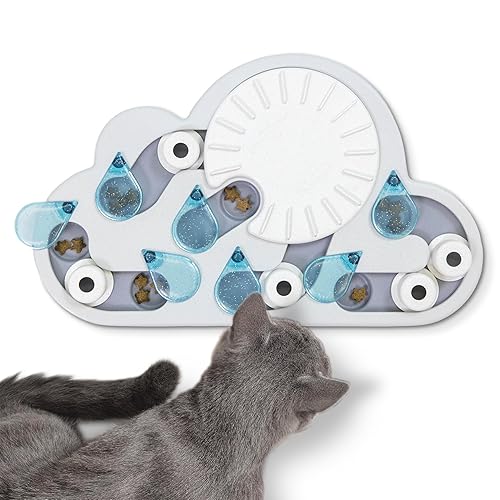
And if your cat inhales meals like a garbage disposal — very common in the untreated phase — a slow feeder bowl reduces gulping, which cuts down on vomiting. Pair it with smaller, more frequent meals if your schedule allows.
Quick Answers To The Questions I Get Most
Can hyperthyroidism be prevented? Not that we know of. There's no proven prevention protocol. What you can do is catch it early with senior screening and regular weigh-ins.
Will my cat's coat grow back? Usually, yes. Once thyroid levels normalize, the coat typically regains its condition within a few months. If it doesn't, we look for other causes like dental disease or skin parasites.
Does treatment affect lifespan? Genuinely, yes. Cats who receive appropriate hyperthyroidism treatment have a significantly better long-term outlook than untreated cats. Untreated disease shortens life, usually through heart or kidney complications.
When To Call The Vet: The Bottom Line
Here's my rule of thumb: any senior cat with two or more of the seven signs warrants a thyroid blood test. Not a “we'll watch her” conversation. A blood test. If your cat is over 10 and has lost weight despite a voracious appetite, that alone is enough to call your vet.
I'll also say this bluntly: money is a common reason owners hesitate. I get it — blood panels aren't cheap. But compare the cost of a senior panel to emergency care for a cat in a hypertensive crisis or heart failure, or the cost of managing irreversible blindness. Early diagnosis is dramatically cheaper in every sense of the word. Many clinics, including the one I practice at, offer senior wellness packages. Ask about them.
Here's The Takeaway I Want You To Keep
Buy a pet scale this week. Weigh your cat every Saturday morning. If the number drops two weeks in a row, call your vet and ask about thyroid testing. That single ten-second weekly habit has caught more cases of hyperthyroidism in my practice than any other home monitoring routine.
In my clinic, the cats with the best outcomes are always the ones whose owners noticed a tiny weight change and requested bloodwork before things got dramatic. The hardest cases I've managed were “she was fine until last week” cats who'd been silently burning muscle for months. You get to choose which story your cat becomes.
If you're caring for an older cat, our guide to senior cat care supplies will help you organize the whole picture, and our deep dive on unexplained weight loss in cats covers related red flags. Want to know which fountains actually keep cats drinking? Check our best cat water fountains list.
Your cat can't tell you she feels awful. The least we can do is read the signals. Set a weekly scale reminder, trust what the number says, and act before the disease picks the timetable.