Leopard Gecko Health Problems: What to Watch For and How to Prevent Them
Disclosure: PawCritic is reader-supported. A couple of links below are Amazon affiliate links, and we may earn a small commission if you buy through them at no extra cost to you.
The hardest thing about keeping a leopard gecko is that they will not tell you they're sick. They're prey animals from the deserts of Afghanistan, Pakistan, and India, and their entire survival strategy is looking healthy until they physically can't. By the time you notice something wrong, it's often been wrong for a month. I've seen owners bring in geckos with advanced metabolic bone disease insisting "he was fine last week" — and they weren't lying. The gecko was hiding it.
That's the bad news. The good news is that the vast majority of leopard gecko health problems are husbandry problems, which means they're preventable. Not treatable — preventable. The top five conditions that kill captive leopard geckos are all caused by setup or feeding mistakes, and all five are avoidable if you know what you're looking at.
This is the guide I wish someone had handed me before my first gecko. What the common problems actually are, how to spot them early, and — more importantly — the setup choices that make them impossible in the first place.
Metabolic Bone Disease (MBD): The Big One
If there's one condition every leopard gecko owner should be able to recognize, it's this. Metabolic bone disease is a collection of skeletal deformities caused by calcium deficiency, and it's the most common serious health problem in captive leopard geckos.
How it happens: Geckos need calcium to build and maintain bone. They get it from their diet (gut-loaded insects) and from a calcium supplement dusted onto their food. They can't use that calcium without vitamin D3, which they normally get from UVB light. If any link in that chain breaks — no supplementation, wrong supplement ratio, no UVB, or a vitamin D3 deficiency — the body starts pulling calcium out of the skeleton to keep the blood level stable. That's MBD.
What you'll see: A soft or rubbery jaw you can bend with light finger pressure. Swollen, lumpy limbs. Tremors or twitching, especially in the toes. A kinked or wavy spine. Difficulty walking — the gecko may drag its hind legs or walk with a stiff, stilted gait. In severe cases, the jaw can literally fold in on itself and the gecko can't eat.
Why it's tragic: The deformities are permanent. Once the bone structure is malformed, no amount of calcium will undo it. The gecko can still live a decent life with mild cases if you correct the husbandry immediately — but severe MBD is a slow, painful decline, and euthanasia is sometimes the humane call. The Association of Reptilian and Amphibian Veterinarians lists calcium deficiency and improper calcium-to-phosphorus ratios as leading nutritional causes of MBD across captive reptiles.
Prevention is embarrassingly simple:
- Dust every insect with a calcium powder containing vitamin D3 at every feeding for juveniles, and 3–4 feedings per week for adults.
- Dust with a multivitamin powder once a week.
- Feed gut-loaded insects — insects fed nutritious food for 24–48 hours before they become dinner.
- Provide UVB lighting. Leopard geckos are nocturnal and don't require UVB the way diurnal lizards do — this is genuinely debated — but the evidence increasingly says low-level UVB improves calcium metabolism and overall health. If you provide it, use a low-output (2–5%) linear tube, not a high-intensity basking bulb.
- Never feed a gecko in a way that lets it skip supplements for weeks on end. Consistency is the entire game.
A good calcium supplement is cheap — the Rep-Cal calcium with D3 is the one most keepers I know use, and a single bottle lasts a year. It's the cheapest insurance in the hobby.
Impaction: When the Gut Stops Moving
Impaction is a blockage in the digestive tract, and it's the second-biggest killer of captive leopard geckos. The gecko eats something it can't pass — loose substrate, a too-large insect, or a hard indigestible chunk — and the blockage builds until the gut can't move food through at all.
What you'll see: A swollen, firm belly. No feces for a week or more (normal is every 2–4 days for adults). Loss of appetite. Lethargy. The gecko may drag its hindquarters or posture oddly, straining without producing anything. In late stages, the gecko stops eating entirely and loses weight fast.
The substrate controversy: For years, the advice was "no loose substrate, ever" — because sand and calcium sand were implicated in countless impactions. The nuance that got lost: impaction from substrate is almost always a consequence of poor husbandry, not the substrate itself. Geckos kept too cold (below 88–90°F basking) can't digest properly, and food sits in the gut. Geckos that are dehydrated, calcium-deficient, or eating loose substrate compulsively are already in trouble. A healthy, properly heated gecko on a fine, digestible loose substrate like a soil/sand blend usually passes small amounts without issue.
That said — for a first-time keeper, or for a gecko with any history of digestive issues, solid substrate (slate tile, non-adhesive shelf liner, paper towel) is the zero-risk choice. If you want the setup details, our enclosure build guide covers the same substrate decision for bearded dragons, and the logic carries over.
What to do if you suspect it: Stop feeding. Raise the warm end to 90–92°F. Offer a shallow warm bath (85–90°F water, 10 minutes, supervised) to stimulate movement. A drop of mineral oil or pure olive oil on the snout for the gecko to lick off can help lubricate. If nothing passes within 3–5 days, or if the belly feels hard and the gecko is clearly distressed, that's a vet visit — impaction can be fatal, and surgery is sometimes the only option.
Dysecdysis: Stuck Shed
Leopard geckos shed their skin in patches, and healthy geckos eat the shed — which means you might never see it happen. Problems start when shed sticks, usually on the toes, tail tip, or around the eyes.
What you'll see: Rings of old skin around toes — these are the dangerous ones, because they constrict blood flow and the toe dies and falls off. Cloudy, stuck skin over an eye that the gecko can't blink clear. Patches of flaky skin that linger for days past a shed. A missing toe tip or two is the classic scar of a previous stuck-shed incident.
Why it happens: Low humidity. Leopard geckos need a humid hide — a plastic container with damp sphagnum moss or paper towel inside — filled with 70–80% humidity, available at all times. Without it, shed dries and sticks. Most owners who see stuck shed don't have a humid hide, or have one that's gone dry.
Prevention: One humid hide, always moist, always available. That single item prevents 90% of dysecdysis. Sphagnum moss holds moisture for days and re-wets easily — it's the standard filling for a humid hide, and a bag lasts forever.
What to do: For stuck shed on toes, soak the gecko in a shallow warm bath for 10 minutes, then gently roll the skin off with a damp cotton swab. Never pull — pulling tears live skin. For eye shed, a warm, damp swab wiped gently over the closed eye, or a vet visit if it's not clearing. If a toe is already constricted and dark, that's urgent — a vet can sometimes save it, and the alternative is losing it.
Parasites and Gut Infections
Wild-caught geckos and geckos from poor breeders commonly carry internal parasites — coccidia, pinworms, flagellates. Even well-cared-for geckos can pick up parasites from contaminated food (crickets from big-box stores are notorious carriers) or unclean substrate.
What you'll see: Weight loss despite a good appetite — the classic sign. Loose, watery, or unusually smelly stools. Stools with visible worms (less common). A gecko that eats enthusiastically but never gains weight. Lethargy. Dehydration, which shows as loose, wrinkled skin.
What to do: This is a vet diagnosis — you can't identify the parasite from the couch, and the wrong treatment is worse than none. A fecal float at an exotics vet identifies the organism and the vet prescribes the right antiparasitic. The frustrating part: many parasites are chronic, and treatment may need to repeat. The prevention part is cleaner: quarantine new geckos for 30–90 days, wash produce you feed to feeder insects, buy insects from reputable sources, and spot-clean the enclosure daily instead of letting waste sit.
Respiratory Infections
Less common in leopard geckos than in some other reptiles, but real — and usually caused by the opposite problem from the desert they evolved in: humidity that's too high or temperatures that are too low.
What you'll see: Open-mouth breathing. Bubbles or mucus around the nostrils or mouth. Wheezing or clicking sounds. A gecko holding its head up at an odd angle to breathe. Lethargy and loss of appetite. If your gecko is sitting with its mouth open, that's not a yawn — that's a gecko struggling to breathe.
Prevention: Keep ambient humidity in the 30–40% range (the humid hide is the exception, not the whole enclosure), keep the warm end at 88–92°F, and never let the cool end drop below 70°F. Drafts and cold rooms are the usual culprits.
What to do: Vet, promptly. Respiratory infections in reptiles can progress to pneumonia fast, and by the time it's audible it's already serious. While you're waiting for the appointment, bump the warm end up a couple of degrees and make sure the gecko is hydrated.
The Setup Checklist That Prevents Most of This
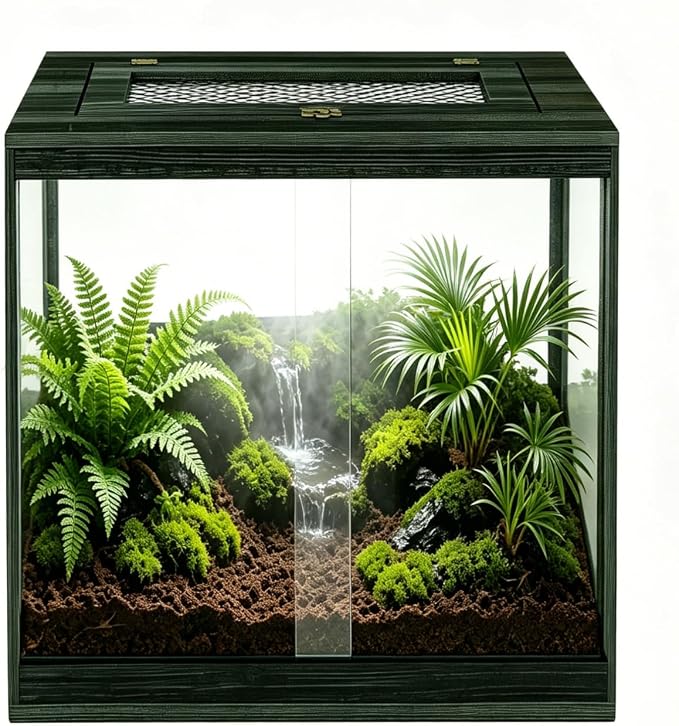
Every condition above except the parasites traces back to setup. Here's the non-negotiable list:
| Requirement | Correct Setup | Prevents |
|---|---|---|
| Temperature gradient | 88–92°F warm side, 70–77°F cool side, measured with a digital thermometer or temp gun | Impaction, respiratory infection, poor digestion |
| Under-tank heat | Heat mat or tape on a thermostat covering ~1/3 of the floor — geckos absorb heat through their belly | Burns (from unregulated heat), impaction (from cold) |
| Humid hide | Always-moist container with sphagnum moss on the warm side | Stuck shed, toe loss |
| Calcium + D3 dusting | Calcium with D3 at most feedings, multivitamin weekly | Metabolic bone disease |
| Safe substrate | Tile, shelf liner, paper towel, or fine digestible loose substrate — never calcium sand or crushed walnut | Impaction |
| UVB (optional but recommended) | Low-output 2–5% linear tube, on 10–12 hrs/day | MBD, poor calcium metabolism |
| Clean water + spot-cleaning | Fresh water daily, waste removed immediately | Parasites, bacterial issues |
One note on heat that catches people out: leopard geckos are crepuscular, so they don't bask under a hot lamp the way bearded dragons do — they absorb heat from the ground. A heat mat or heat tape regulated by a thermostat is the standard. An unregulated mat can hit 120°F and give your gecko a belly burn it won't survive; the thermostat is not optional. If you're comparing heating options, our roundup of reptile thermostats and temperature control breaks down what to look for.
When to Call the Vet
Find an exotics veterinarian before you need one. General small-animal vets often have no reptile experience, and you don't want to be phoning around at 9 PM with a dying gecko. Ask your local reptile shop who they use, or check the Association of Reptilian and Amphibian Veterinarians' directory for a practice near you.
Call the vet when you see any of these:
- Not eating for more than a week (adults can go longer than juveniles, but a week of refusal is worth investigating)
- Weight loss, especially with a good appetite (parasites until proven otherwise)
- Any visible deformity, swelling, or limp
- Open-mouth breathing or bubbles at the nose
- No feces for 5+ days combined with a swollen belly
- Any eye problem that doesn't clear with gentle swabbing
- Tremors or twitching — this is neurological and can be calcium-related or worse
Also worth knowing: the CDC has documented Salmonella transmission from pet reptiles for decades, and leopard geckos are no exception. Wash your hands after handling, don't let the gecko roam on kitchen counters, and keep the enclosure out of food-prep areas. It's simple hygiene, but it's the kind of thing that gets skipped until it matters.
How to Check Your Gecko Weekly (60 Seconds)
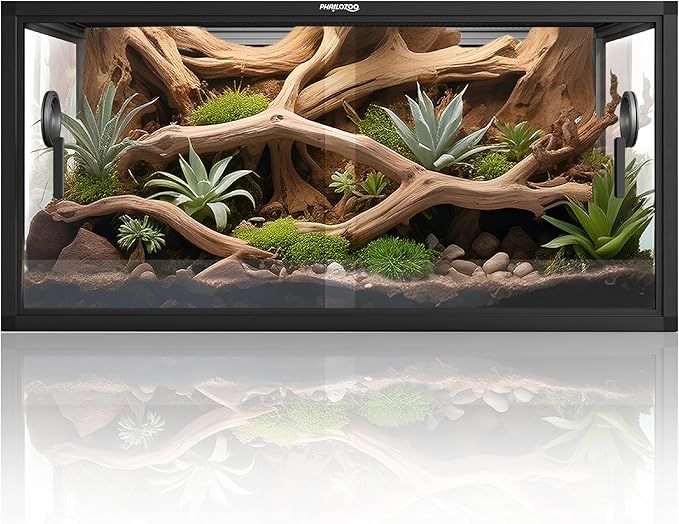
Once a week, when the gecko is out of its enclosure for handling, do a quick top-to-tail check. Takes a minute:
- Eyes: Clear, open, no stuck shed over them.
- Nostrils: Dry, no bubbles.
- Mouth: No crust, no swelling along the jawline.
- Body: Run your fingers along the spine — it should feel like a smooth ridge, not a series of bumps or a soft, squishy line. A soft spine is early MBD.
- Tail: Thick and fleshy (geckos store fat there). A thin, boney tail means chronic underfeeding or illness. Check the tip for stuck shed.
- Toes: All present, no constriction rings, no dark tips.
- Belly: No firm swelling, no visible lumps.
- Weigh it. A $15 kitchen scale, once a month, logged. Weight is the earliest warning system you have — a gecko can lose 10% of its body weight with zero visible symptoms.
If you're new to geckos entirely and weighing the pros and cons of species, our bearded dragon vs. leopard gecko comparison is worth a read before you commit — the two lizards are very different animals in terms of daily effort, and the right choice depends on your schedule and space.
My Take
Leopard geckos are genuinely tough animals. That's their best quality and their worst, because toughness hides problems. The owners who never deal with MBD or impaction aren't lucky — they're the ones who dust calcium at every feeding, keep the humid hide wet, run the heat mat on a thermostat, and do the 60-second weekly check without fail.
None of that is hard. It's just consistent. Do those four things and the odds are overwhelmingly in your gecko's favor — and you'll be the one whose gecko "was never sick," which in this hobby is the whole point.